
Busbars
Reliable and Space-Efficient Power Distribution for High-Performance Systems
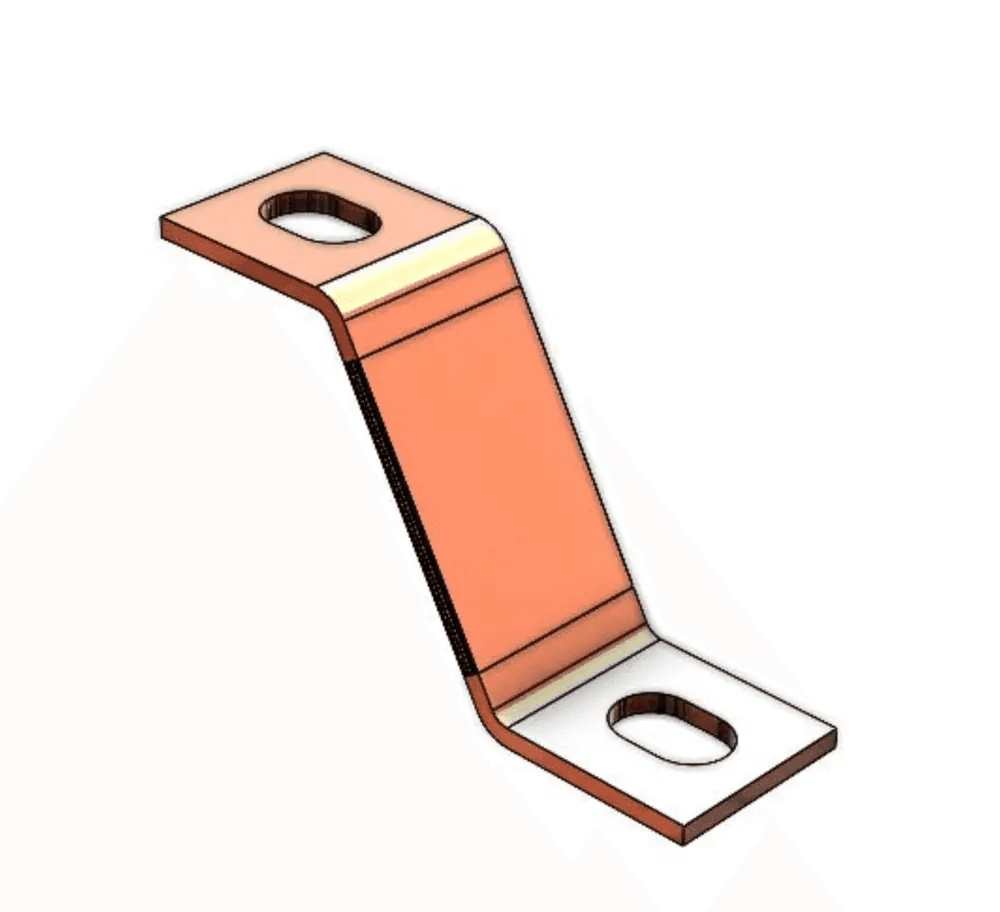

Engineered from multi-layered copper or aluminum foils, our flexible busbars provide the vibration-resistant, high-current expansion required for the most demanding EV battery packs and industrial switchgear.
The typical production flow for flexible busbars includes:
Copper or aluminum selected based on conductivity and weight requirements; Matching insulation for environmental and voltage needs
Conductive foils or braided strips cut to size via laser or CNC
Conductive and insulating layers are arranged in the specified configuration
Layers are bonded under heat and pressure for structural integrity
Ends are prepared with connectors or lugs to interface with other components
Full QA testing for electrical, thermal, and mechanical properties
Tailored shapes, hole patterns, and connectors for specific applications
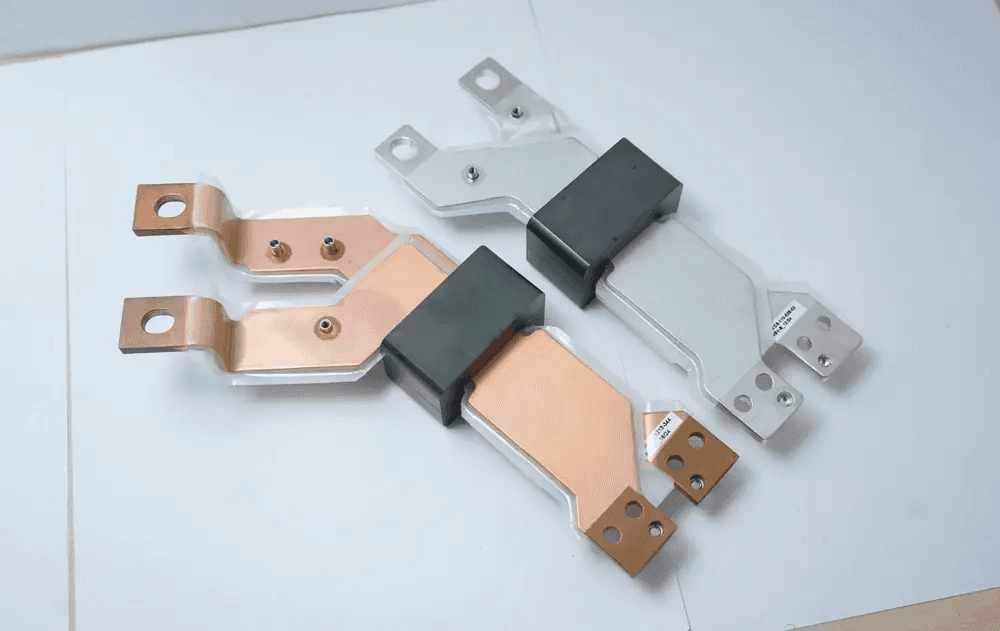
Flexible busbars are engineered to deliver high-current performance in compact, dynamic systems. Constructed using stacked or braided layers of copper or aluminum with insulated layers in between, these busbars are ideal for applications requiring bending, vibration resistance, and precise fitment in tight enclosures.
| Attribute | Details |
|---|---|
| Conductor Materials | Copper / Aluminum |
| Construction Type | Laminated / Braided / Stacked |
| Flexibility | High—multi-directional bending |
| Current Capacity | Custom per design |
| Voltage Rating | Application-specific |
1
Designed to bend and conform to complex system layouts without compromising electrical integrity.
2
Efficient design helps suppress EMI and limits voltage spikes in sensitive power environments.
3
Handles heat dissipation efficiently in high-current scenarios.
4
Takes up less space than round cables or rigid busbars, ideal for space-constrained systems.
5
Withstands vibration, movement, and thermal cycling over prolonged use.
6
Low-maintenance, long-lasting construction reduces lifecycle costs.
7
Applicable in traditional and next-gen sectors—from power grids to electric vehicles.
8
Modular formats reduce wiring complexity and speed up installation time.
9
Engineered to handle high-current loads safely without thermal stress.
10
Manufactured to meet ISO and electrical industry specifications.
Flexible busbars are used extensively in industries requiring compact, high-performance, and reliable power distribution:
1
Battery modules, inverter connections, motor drives
2
High-power server racks and power distribution units
3
Interconnections in solar PV, wind turbine systems
4
High-current internal wiring for automation systems
5
Lightweight, vibration-resistant solutions for aircraft and satellites

To ensure high quality and performance, flexible busbars undergo rigorous testing
| Test Type | Description |
|---|---|
| Visual Inspection | Surface finish, layer integrity, and insulation coverage |
| Dimensional Testing | Conformance to design specifications for perfect integration |
| Electrical Testing | Continuity Test: Ensures uninterrupted current flow; Insulation Resistance Test: Confirms electrical isolation between layers; High-Pot (Hipot) Test: Evaluates dielectric strength |
| Thermal Testing | Assesses heat dissipation and thermal resistance |
| Mechanical Testing | Checks strength, flexibility, and vibration resistance |
Tooling systems for flexible busbar production include:
1
Stamping for precision shaping
2
For creating required busbar shapes and contours
3
Used to laminate layers of copper or aluminium
4
Create slots, holes, and terminal cut-outs
5
For reliable electrical terminations
6
Dimensional measurement and electrical verification systems
With over 65 years of manufacturing excellence, PML delivers Flexible Busbar trusted by OEMs and Tier 1 suppliers across sectors demanding robust performance.

ISO 45001
Occupational Health and Safety (OH&S) management systems

ISO 14001
Environmental Management Systems (EMS)

ISO 9001
Quality Management Systems (QMS)

IATF 16949
International Standard for Automotive Management Systems

AS 9100
Aerospace Quality Management System (QMS)
Flexible busbars absorb mechanical vibrations and thermal expansion, preventing stress on your electrical terminals that could otherwise lead to cracks or loose connections.
High-Efficiency Power Distribution for Modern Electrical Systems
Precision-Engineered Parts for Reliable and Scalable Power Infrastructure
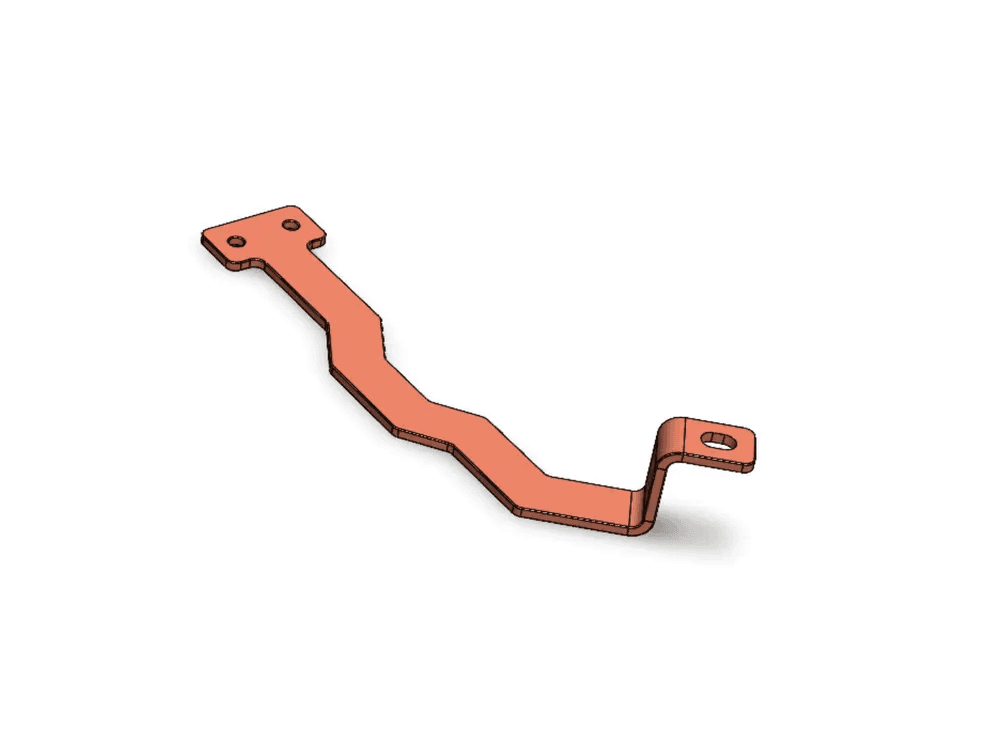
High-Conductivity Power Distribution Components for Industrial & Renewable Applications
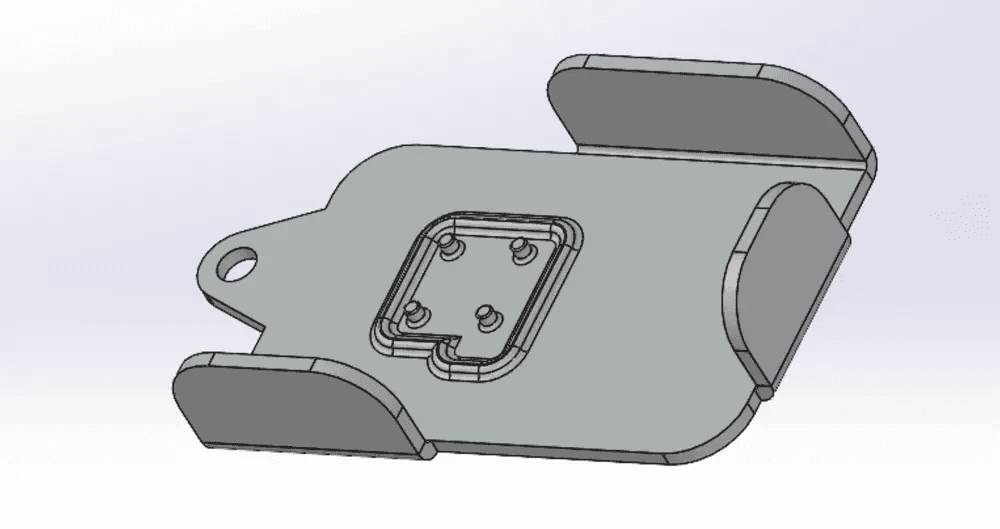
Thermal Management Solutions for Electronic and Industrial Applications
High-Efficiency Power Distribution for Modern Electrical Systems
Precision-Engineered Parts for Reliable and Scalable Power Infrastructure
High-Conductivity Power Distribution Components for Industrial & Renewable Applications
Thermal Management Solutions for Electronic and Industrial Applications
Pioneering cutting-edge technology to develop reliable, high-performance magnetic components and engineering solutions.
